Homepage

A Movie Theater
in Columbia City

4405 Rainier Ave S
Seattle, WA 98118

Join The Mystic Order of The Beacon

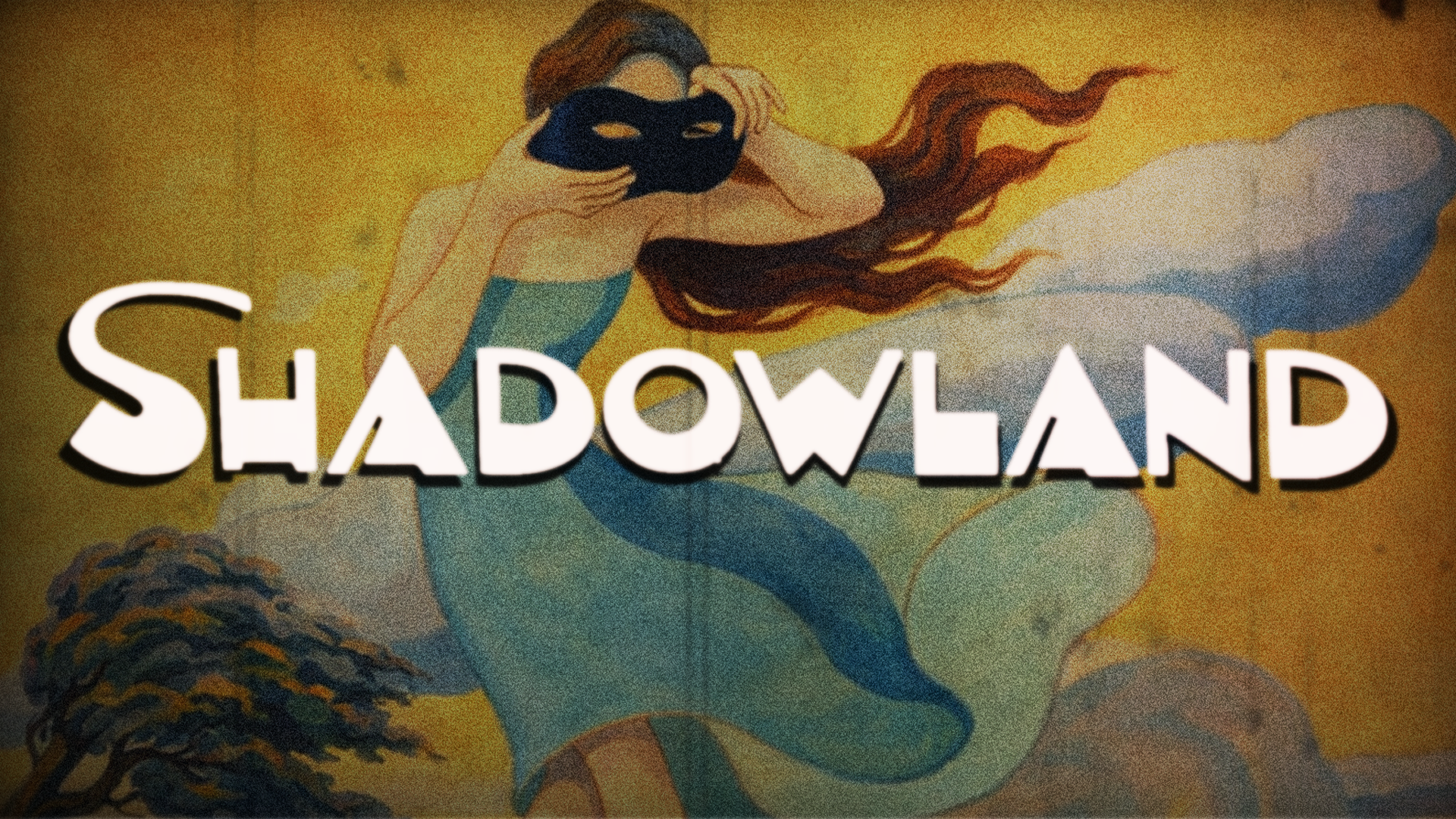
SHADOWLAND

THE EMOTIONAL OTHERWORLDS OF CLASSIC CINEMA. UNSPOOLING THE RIBBON OF DREAMS EVERY SUNDAY AFTERNOON. Now Playing

The emotional otherworlds of classic cinema. Unspooling the ribbon of dreams every Sunday afternoon.

Films in this Series

Anatole Litvak

104 minutes

Released two full years before the USA was finally dragged kicking and screaming into WWII, CONFESSIONS OF A NAZI SPY feels less like a patriotic rabblerouser than a warning siren that the fascism is already inside the house.

Drawing from supposedly real FBI cases, this nervy Warner Bros. provocation follows the slow, methodical unmasking of a German espionage ring operating quietly inside the United States using radio clubs, shipping routes, and polite Midwestern respectability as cover. Edward G. Robinson anchors the film with grim authority as the G-man piecing together the conspiracy, while the film itself oscillates between procedural realism and outright political alarm.

Part docudrama, part propagandistic grenade, CONFESSIONS is remarkable not just for what it says, but when it said it: openly, angrily, and at a time when Hollywood was still expected to look the other way. This is cinema as preemptive strike.

Alfred Hitchcock

120 minutes

An anti-Nazi Hollywood gem by Alfred Hitchcock from the desperate era before the USA decided to be temporarily anti-fascist and join WWII, FOREIGN CORRESPONDENT is a full-throttle espionage thriller full of wall-to-wall witty repartee, head-spinning plot twists, and brilliantly mounted suspense set pieces.

When American crime reporter John Jones (Joel McCrea) is reassigned to Europe as a foreign correspondent to cover the imminent war, he is very much out of his element. When he stumbles on a spy ring, he seeks help from a beautiful politician’s daughter and an urbane English journalist to uncover the truth.

Hitchcock's humor and brilliance are naturally in evidence: an assassin makes a getaway under a crowd's umbrellas; an old man in a sleepy Dutch village suddenly finds the road in front of his home full of speeding police cars and eventually gives up trying to cross it; Hitler is cited as potential story source; but as McCrea reads a shamelessly propagandistic speech near the end of the film, it's clear what FOREIGN CORRESPONDENT’s intent is: spurring on the fight against fascism before it’s too late.

Frank Borzage

100 minutes

Released a year before the United States entered WWII, THE MORTAL STORM is the story of Hitler’s rise to power as seen through the microcosm of one German family. What may seem small and personal is instead towering, a bold revelation of the brutality of the Nazi regime that so infuriated propaganda minister Joseph Goebbels that he banned all MGM movies in Germany.

In their fourth and final teaming, Margaret Sullavan and James Stewart play sweethearts, evoking the tender, romantic empathy that always marked their work together. They lead a sterling cast in director Frank Borzage’s sweeping tale of the political and human chaos that rips a family apart, sets child against parent and lover against lover, and leads to savagery, to sacrifice and to heroism. What is this, American 2026?

“With the devastating directness of a Stukas diver, THE MORTAL STORM is a film bomb which is about to explode in American theatres with such force as to dispel public equanimity if, in fact, any exists) towards the vicious operation of Nazism and its fanatical proponents. It is not the first of the anti-Nazi pictures, but it is the most effective film to expose to date on the totalitarian idea, a slugging indictment of the political and social theories advanced by Hitler. Borzage has turned out a film that demands universal screening in American theatres. There will be squawks. Then, again, there will be eyes opened which heretofore have looked listlessly upon what happened there, believing it could never happen here.” - Variety, June 12, 1940

Mitchell Leisen

110 minutes

Anti-fascism wrapped in a screwball comedic romance!

Mitchell Leisen's ARISE, MY LOVE has an amazing set-up: Martin (Ray Milland), a partisan of the Spanish Civil War about to be executed by firing squad, is in the process of spending his final moments cracking wise with a worried priest when he’s notified that his wife has arranged his release and she’s arrived to claim him. Great news, except for the minor technicality that Martin doesn’t have a wife. Nevertheless, he takes the out courtesy of total-stranger Gusto (Claudette Colbert), a journalist so hungry for a great story that she’s risked her neck to save him. Soon enough the enemies figure out that they’ve been duped and the chase is on.

What follows, set in Hollywood's dreamy notion of springtime in Paris as the Nazi boot relentlessly crushes Europe, is romantic comedy at its most brilliant, scripted by the legendary team of Charles Brackett and Billy Wilder with a nice line in sexual innuendo and cynical irreverence. But as it goes on, the film transforms itself from a rascally cat-and-mouse romance into a courageously anti-fascist screed that feels urgently contemporary.

"From the bottom of Billy Wilder's typewriter heart, from the height of Mitchell Leisen's forget-me-not garden, a clockwork classical Hollywood triumph all about having great phone sex in Paris and fighting the Nazis before it was cool. It's a popular achievement in anti-isolationism—you just want a love story, but you can't get away." - Evelyn Rose

William Wyler

118 minutes

Overwhelmed by her suffocating schedule, touring European princess Ann (Audrey Hepburn) takes off for a night while in Rome. When a sedative she took from her doctor kicks in, however, she falls asleep on a park bench and is found by an American reporter, Joe Bradley (Gregory Peck), who takes her back to his apartment for safety. At work the next morning, Joe finds out Ann’s regal identity and bets his editor he can get an exclusive interview with her, but romance soon gets in the way.

“William Wyler’s 1953 reverse-Cinderella story spends as much time exploring a European wonderland as it spends advancing its plot, though in Wyler’s case, the story is in the exploring. Wyler, working from a script by blacklistee Dalton Trumbo, lets much of the film pass without dialogue, allowing Hepburn’s immediate reactions (as enchantingly passionate now as they were 50 years ago, in what was her Hollywood debut) and her increasing physical closeness to Peck say what the characters can’t. The leisurely pace also allows for plenty of touristy gawking at the sights of Rome, and for viewers to project themselves into the sidewalk cafes, gelato stands, and crumbling ruins.” - Noel Murray, A.V. Club

Stanley Donen

103 minutes

Audrey Hepburn plays Jo Stockton, a tomboyish Greenwich Village bookstore clerk enamored with the French pseudo-philosophy of Empathicalism. After being discovered by the fashionistas behind Quality Magazine (Fred Astaire & Kay Thompson), Jo is whisked to Paris, divested of her intellectual ambitions and transformed into the walking embodiment of the “Quality Woman.” But Hepburn bucks Fashion Week expectations, falls for Astaire, and gleefully sends up almost every 1950s cliché in the process. This Paris is a beautiful figment of the postwar American imagination made possible by the technological powers of VistaVision.

“Knocks most other musicals off the screen for its visual beauty, its witty panache, and its totally uncalculating charm. The allure is everywhere. Love triumphs over capitalist exploitation, joyless intellectualization and all things phony; and the thesis persuades because of the commitment and skill of the team and the lightness of the underrated Donen’s touch.” - Time Out

William Wyler

107 minutes

William Wyler’s stark and quietly devastating adaptation of Lillian Hellman’s controversial play remains one of Hollywood’s most piercing examinations of rumor, repression, and moral panic. Set in a New England girls’ boarding school, the film follows two teachers—played with aching restraint by Audrey Hepburn and Shirley MacLaine—whose lives unravel after a malicious student spreads a poisonous rumor that the two are lesbian lovers.

Released at a moment when Hollywood was only beginning to explicitly acknowledge the existence of homosexuality, THE CHILDREN’S HOUR turns the machinery of melodrama into something far more unsettling: a study of how quickly a life can collapse under suspicion and how cruelty can hide behind the innocence of childhood.

Wyler’s austere direction allows silence, glances and gathering dread to do the work that dialogue cannot. What begins as a small scandal grows into a suffocating social tragedy that still feels startlingly modern in its portrayal of gossip, moral hysteria, and the devastating cost of being cast outside the bounds of acceptable life.

Terence Young

108 minutes

A masterclass in sustained suspense, WAIT UNTIL DARK traps its audience inside a small Greenwich Village apartment and slowly tightens the screws. Audrey Hepburn delivers one of the most remarkable performances of her career as Susy Hendrix, a recently blinded woman who finds herself the target of a trio of criminals searching for a doll filled with heroin.

Director Terence Young stages the film like a theatrical chamber piece, using the confined apartment space and Susy’s limited perception to devastating effect. As the deception unravels, the film builds toward one of the most famous climactic sequences in 1960s thrillers—an unforgettable showdown staged almost entirely in darkness.

Both an elegant suspense film and a nerve-shredding psychological duel, WAIT UNTIL DARK remains a benchmark of how much terror can be conjured from a single room and a flickering light bulb.